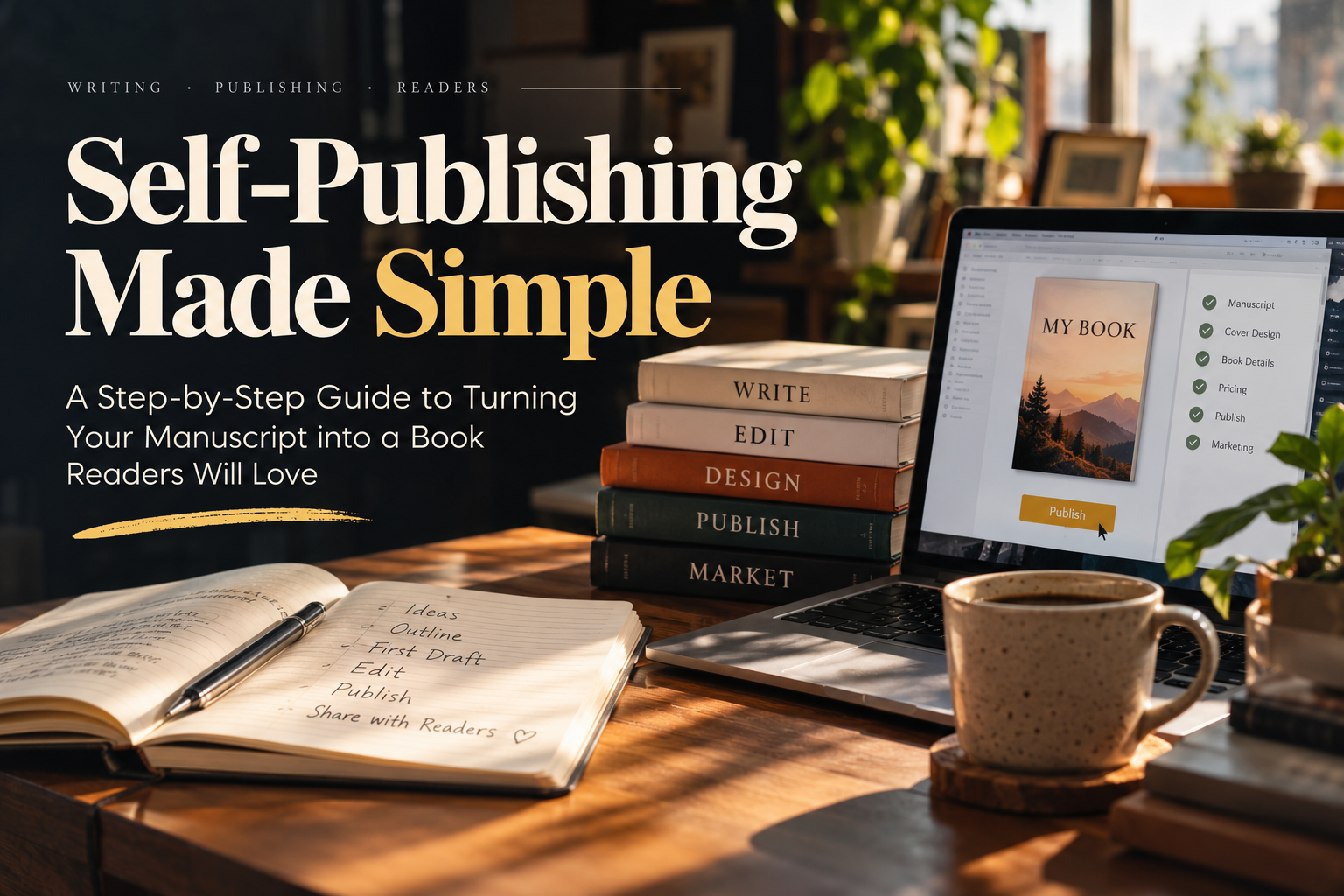
How to Choose a Book Publishing Company: Questions to Ask Before You Sign

Choosing a book publishing company is an important decision because the company you select may influence how your book is edited, designed, produced, distributed, and presented to readers. The right fit depends on your manuscript, genre, goals, budget, timeline, and preferred level of control. There is no single company that is right for every author.
Before you sign an agreement or pay for a package, ask what the company actually does, what you will receive, which rights you keep, how the work will be managed, and how results will be reported. A clear written offer is more useful than a promise that sounds impressive but cannot be measured.
What does a book publishing company do?
The phrase book publishing company can describe several different business models. Some companies acquire manuscripts and publish selected books. Others provide paid publishing services that authors purchase. Some combine publishing, production, distribution, and marketing under a hybrid or service-based arrangement.
Those models can look similar in advertising but operate very differently. The company may be acting as a publisher, a production partner, a consultant, a directory, or a lead service. Ask the company to explain its role in plain language before you compare the rest of the offer.
Start by identifying the publishing model
Traditional publishing
In a traditional model, a publisher generally selects the work it wants to acquire and operates under its own publishing process. The author may not pay the publisher for standard production in the same way an author pays for a service package. Submission requirements, rights, advances, royalties, editorial decisions, and timelines vary by publisher and agreement.
Self-publishing support
Self-publishing gives the author more responsibility and often more control over timing and decisions. An author may work with independent professionals or a company for editing, cover design, formatting, distribution setup, or marketing. The author should still understand which accounts, files, rights, and decisions remain under the author's control.
Hybrid and service-based models
Hybrid and service-based models can include a broad range of arrangements. Some provide defined production services for a fee; others combine paid services with a publishing relationship. Do not rely on the label alone. Review the actual scope, payments, rights, responsibilities, distribution, and reporting in the proposed agreement.
Seven details to compare before choosing
1. The company's role
Ask whether the company is acquiring your book, selling services to you, matching you with another provider, or offering a combination of these activities. The answer affects what you should expect from the relationship and what questions to ask next.
2. The written scope of work
Look for named deliverables rather than broad promises such as maximum exposure or full support. A useful scope identifies the work, the format of the files you will receive, the number of revisions, the approval points, and the person or team responsible for each task.
3. Rights, ownership, and account access
Ask who owns the manuscript, cover artwork, formatted files, ISBN, retailer accounts, advertising accounts, and any subsidiary rights. Also ask how you will access or transfer those materials if the project ends. Ownership language should be specific enough that you can understand it without guessing.
4. Total cost and payment timing
Compare the full cost, not only the starting price. Ask what is included, what is optional, when payments are due, whether there are recurring fees, and what happens if you cancel. Request an itemized quote and make sure the quote matches the written scope.
5. Editing, design, and production quality
Ask what level of editing is included and how editing differs from proofreading. For design and formatting, clarify the formats, trim sizes, accessibility considerations, revision limits, proofing process, and file-delivery process. If a sample or portfolio is available, review work that is similar to your genre and format.
6. Distribution and reporting
Find out where the book can be made available, in which territories, under whose accounts, and with what terms for discounts, returns, and payment. Ask what sales or distribution reporting you will receive and how often. Distribution availability is not the same as guaranteed visibility or sales.
7. Marketing promises
Marketing should be described as specific work with a schedule and a way to report completion. Ask what audience research, retailer metadata, launch planning, advertising, outreach, or promotional assets are included. Be cautious of guarantees about acceptance, bestseller status, reviews, or sales.
Look for fit with your genre and format
A company may be capable in one area and a poor fit in another. Ask how its team approaches the conventions, audience expectations, design needs, and distribution priorities of your book.
- Fiction and commercial genre fiction
- Memoir, biography, and narrative nonfiction
- Poetry and illustrated books
- Children's books
- Business, self-help, and professional books
- Christian and inspirational books
Warning signs to take seriously
Pressure to sign immediately, vague deliverables, unclear ownership, hidden fees, and refusal to provide a written agreement are reasons to slow down. The same is true of claims that a payment guarantees publication, distribution, reviews, sales, or bestseller status.
A professional provider should be able to explain what it can control and what it cannot. If you have legal, financial, or contract questions, consider getting independent professional advice before signing.
A practical decision process
Define your manuscript stage, genre, audience, timeline, budget, and desired level of control.
List the services you may need, such as editing, design, formatting, distribution, or marketing.
Ask each company the same questions and compare the answers in writing.
Review the agreement, rights language, cancellation terms, and file-delivery process before paying.
Choose the option whose scope and responsibilities match your actual goals, not only the most attractive headline.
Frequently asked questions
How do I choose a book publishing company?
Start with your manuscript stage, goals, budget, timeline, and desired control. Then compare the company's model, services, rights, fees, distribution, revision policy, and reporting in a written offer.
What is the difference between a publisher and a publishing service company?
A publisher may acquire and publish work under its own model, while a publishing service company may provide work that the author purchases. The exact responsibilities and rights depend on the agreement, so ask the company to describe its role clearly.
Should I pay a book publishing company?
Some service-based models charge authors for production or support, while traditional publishing generally operates differently. If payment is requested, ask for an itemized scope, contract, revision policy, rights terms, and cancellation terms before proceeding.
Can a publishing company guarantee that my book will sell?
No company can honestly guarantee reader demand, sales, reviews, or bestseller status. Look for specific, measurable deliverables and clear reporting instead of guarantees.
What should I prepare before contacting a company?
Prepare a short description of the book, genre, manuscript stage, intended audience, timeline, and the type of help you are considering. You do not need to have every publishing decision made before you start asking questions.
Next step: If you are comparing publishing companies or services, share your manuscript stage, genre, timeline, and goals so you can start a clearer conversation about possible publishing options.