Murray Campbell
Murray Campbell, a highly experienced writer with a strong passion for literature and storytelling, has joined Milton and Hugo. With over a decade of writing experience and expertise in various genres, including fiction, non-fiction, and poetry, Murray has published several critically acclaimed books, showcasing exceptional storytelling abilities.
How to Pitch Book Podcasts as an Author: From Research to Follow-Up
Podcast interviews can introduce authors to listeners who are interested in particular genres, subjects, creative processes, or professional experiences. For an independent author, appearing on a relevant podcast can create opportunities to discuss a book in greater depth than a short social media...

How to Find ARC Readers and Request Honest Book Reviews
Book reviews can help prospective readers understand what to expect from a title, but obtaining early reviews is often challenging for independent authors. One common approach is to distribute advance reader copies, also known as ARCs, to people interested in reading a book before its public releas...
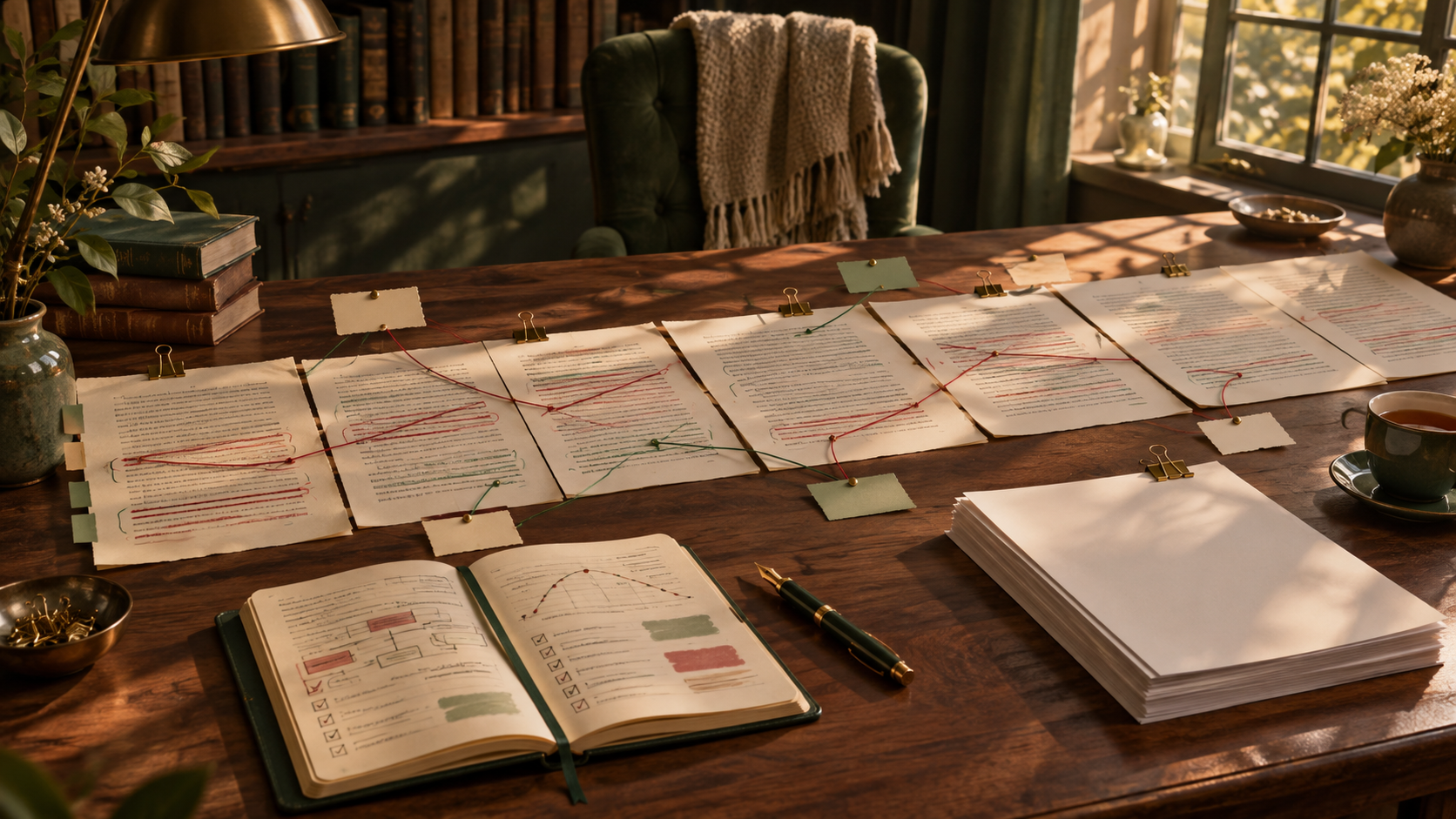
How to Revise Your First Novel Draft Without Getting Lost in Sentence Edits
Finishing a first draft is an achievement, but revision is where many writers discover what their stories truly need. Some writers begin by correcting grammar. Others rewrite the opening chapter repeatedly, hoping the rest of the manuscript will somehow improve.

Developmental Editing vs. Line Editing vs. Copyediting vs. Proofreading: Which Do You Need?
Finishing a manuscript is an important milestone, but completing a draft does not necessarily mean a book is ready for publication. Most manuscripts benefit from revision and editorial review. The challenge is understanding which kind of editing will address the problems your book actually has.
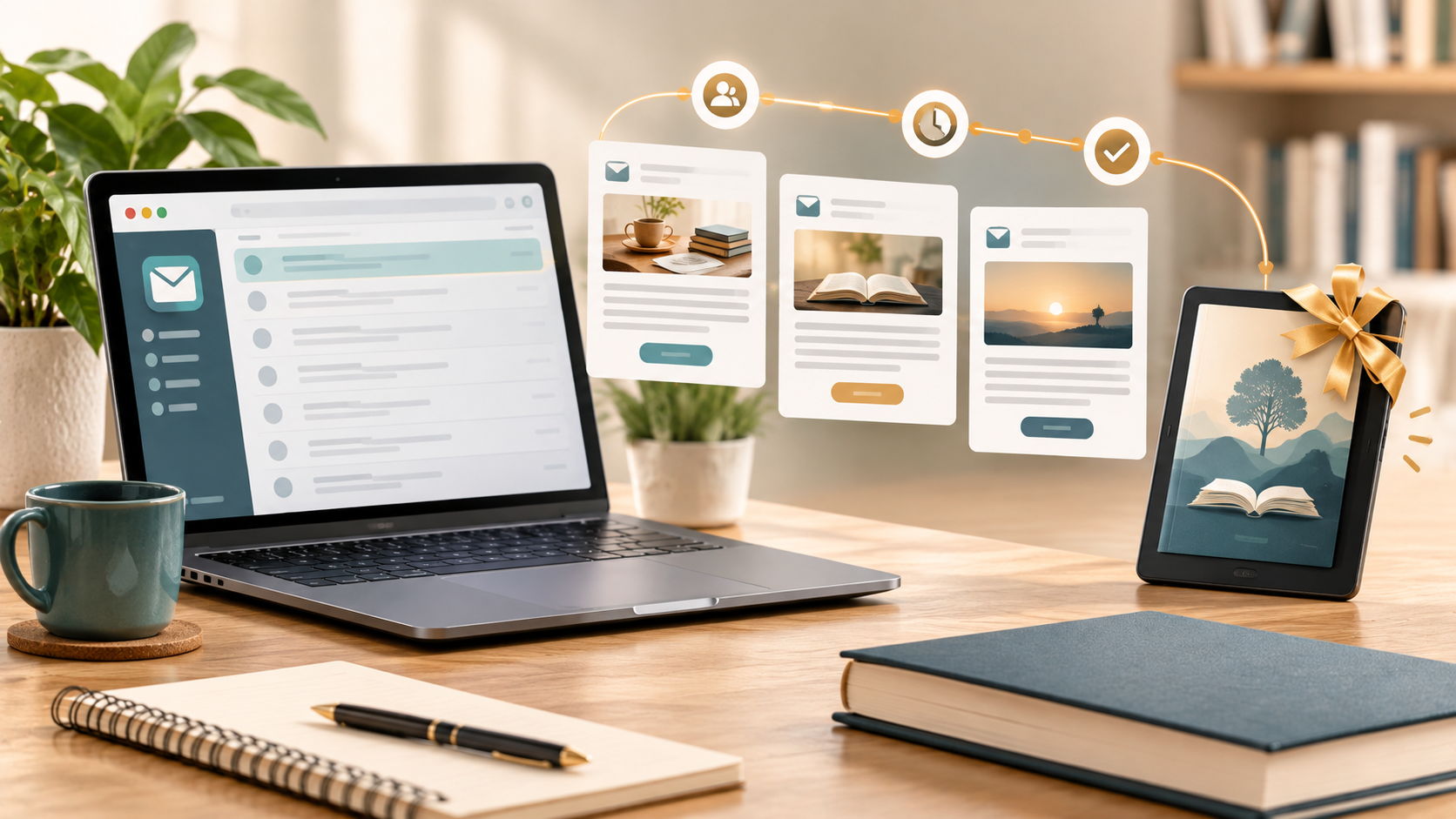
How to Build an Author Email List With a Reader Magnet and Welcome Sequence
Social media can help readers discover an author, but an email newsletter provides a more direct way to maintain a relationship with people who want to hear from them. Instead of relying entirely on social feeds, authors can invite interested readers to subscribe to updates, stories, resources, and...

A 90-Day Book Launch Plan for Authors With Limited Time
Publishing a book requires more than uploading a manuscript and announcing its release. Readers need opportunities to discover the book, understand why it interests them, and decide whether to buy it.

How to Format a Book for Kindle and Paperback Without Layout Problems
A manuscript that looks perfect in Microsoft Word may behave very differently when converted into a Kindle eBook or printed as a paperback. That's because digital and print editions use different layout systems.

Do Self-Published Authors Need an ISBN? A Practical Guide
Publishing a book independently means making decisions that traditional publishers normally handle. One of the earliest is whether to obtain an International Standard Book Number, commonly known as an ISBN. The answer depends on your book's format, where you plan to distribute it, and whether you w...
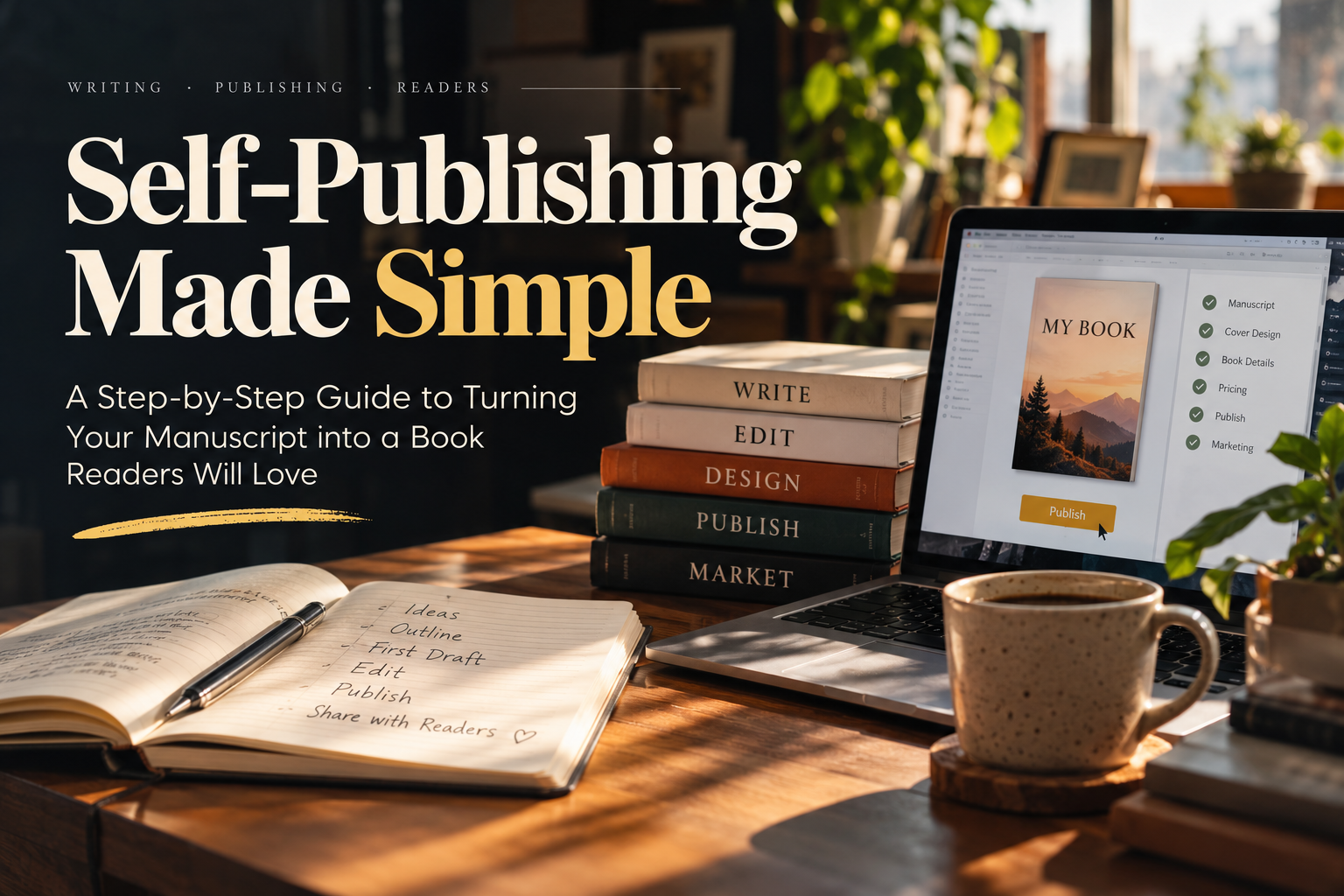
Self-Publishing Made Simple: How to Turn Your Manuscript Into a Book Readers Will Love
Learn how to self-publish a book from start to finish, including editing, cover design, formatting, distribution, pricing, and marketing your book successfully.
Book Promotion Services: How to Build a Strategy That Reaches the Right Readers
Learn how to choose book promotion services, build a practical author marketing plan, generate legitimate reviews, use advertising, and measure what works.

Self-Publishing a Book: Services, Costs, and Questions to Ask
Self-publishing can give you control over timing and creative decisions, but it also makes you responsible for coordinating important work. Use this guide to understand the services, costs, rights, and provider questions that matter.

Ready to Publish a Book? A Clear Path From Manuscript to Readers
If you want to publish a book but are not sure where to begin, start with your manuscript stage, your publishing goal, and the decisions you need to make next. This guide helps you turn a broad goal into a workable plan.

How to Get Your Book Published: A Practical Step-by-Step Guide
Getting a book published starts with a clear view of your manuscript, your goals, and the publishing path you want to research. Use this guide to organize the next decision without relying on promises of guaranteed publication.

How to Choose a Book Publishing Company: Questions to Ask Before You Sign
Comparing a book publishing company is easier when you look beyond the headline offer. Start with the publishing model, written scope, rights, costs, timeline, distribution, and reporting.

6 Easy to follow tips on Self-Publishing a Bestseller
The self-publishing industry has been going through a transition period the past few years, what started out as a novelty item for the publishing industry has grown into a force to be reckoned with.
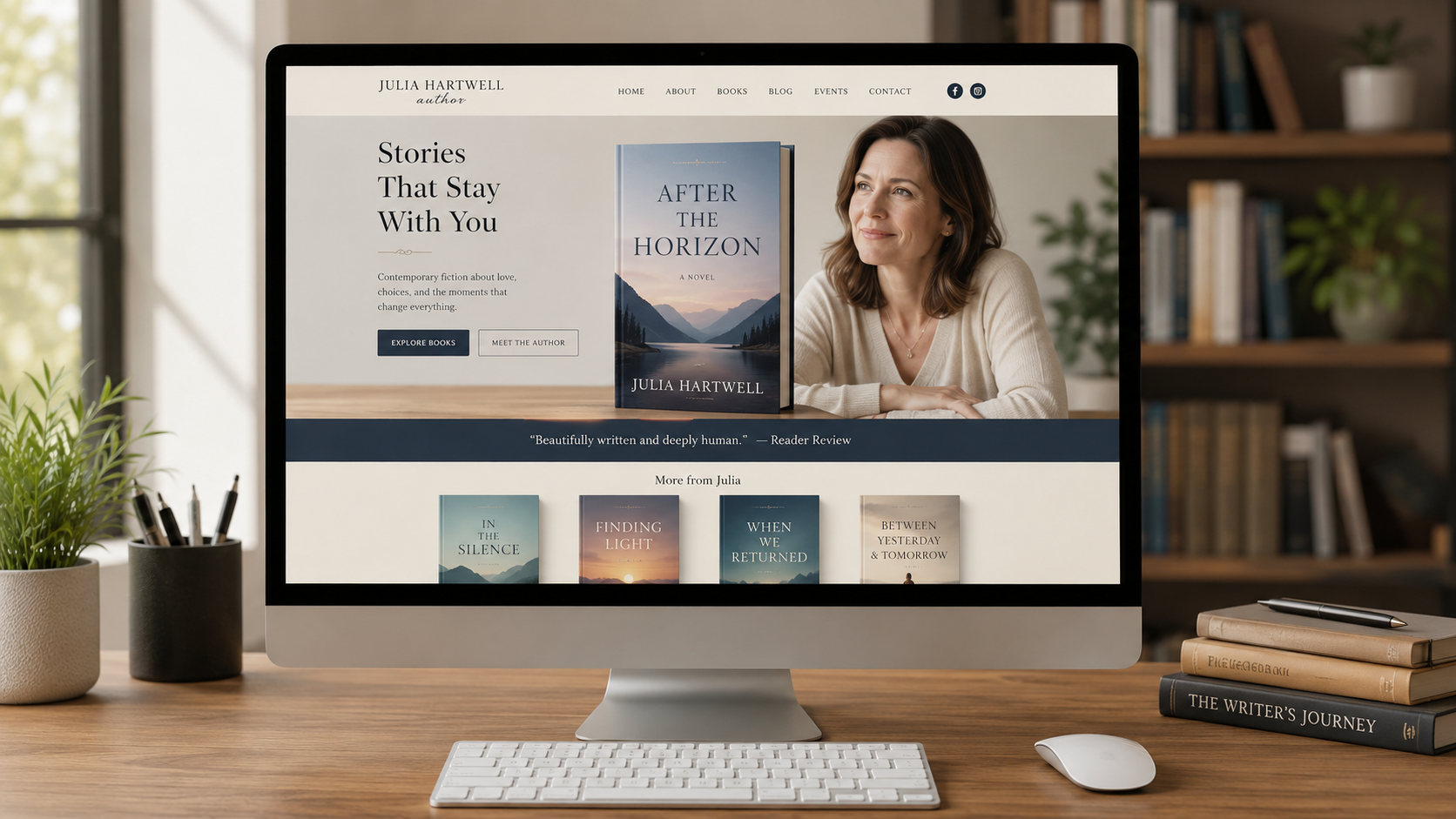
20 Author Websites and Learning What Makes Them Successful
What makes a successful author website is the harmonious fusion of design, content, functionality, and engagement strategies tailored to meet the unique needs and goals of the writer.